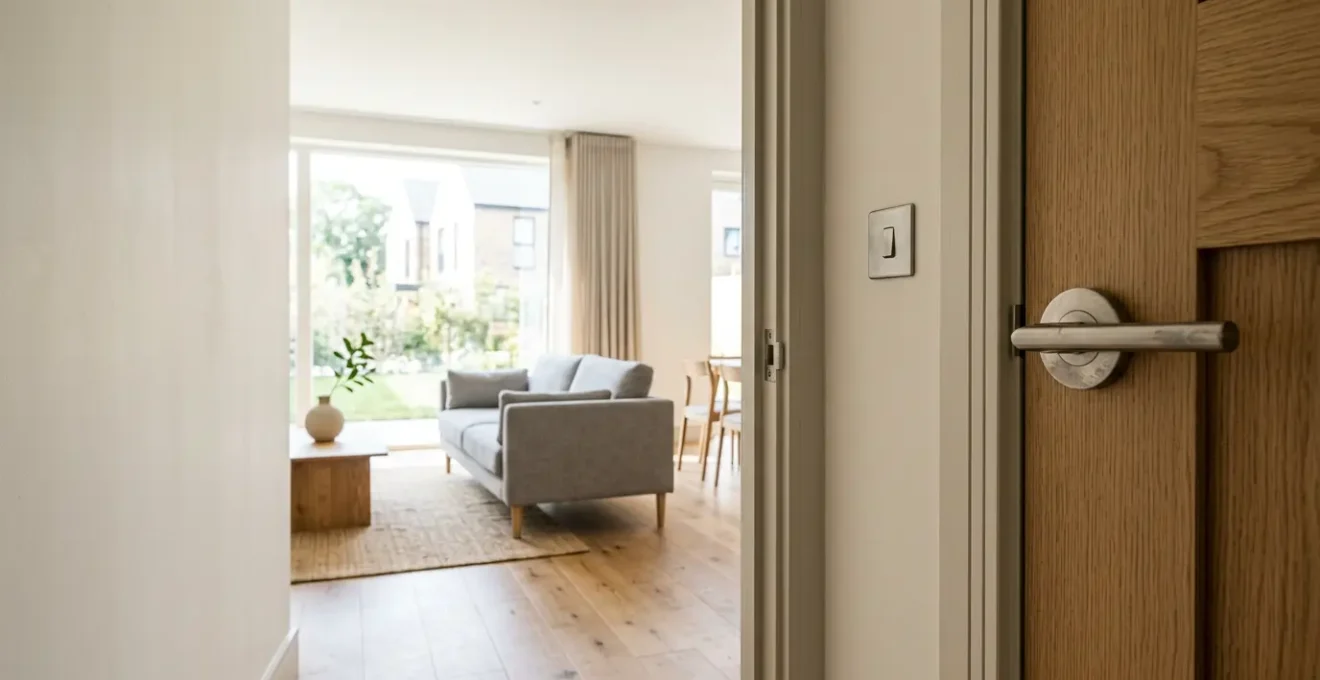
The key to adding £200/month in rent isn’t costly renovation, but mastering the art of visual marketing to create irrefutable perceived value.
- Properties that ‘feel’ premium command higher rent because tenants associate quality presentation with reliability and a hassle-free tenancy.
- Strategic investments in photography, staging, and listing language provide a far higher rental ROI than major structural changes.
Recommendation: Stop thinking like a builder and start acting like a brand manager for your property; this shift in perspective is what unlocks its true earning potential.
You have a good property in a decent area. It’s structurally sound, the boiler works, and it meets all legal standards. Yet, when you list it, you’re met with lowball offers or, even worse, silence. You see inferior properties nearby achieving higher rents, and the frustration is palpable. The common advice is to « declutter » or « add a coat of paint, » but this barely moves the needle. You’re not just leaving money on the table; you’re letting a poorly performing asset drain your time and energy.
The problem isn’t your property; it’s your marketing. Achieving a rental premium of £200 or more per month isn’t about expensive extensions or gut renovations. It’s about a strategic shift in mindset: from landlord to property marketer. The secret lies in understanding and manipulating the *perceived value* of your space. This is about creating a compelling visual and emotional narrative that makes a prospective tenant feel they’ve found a superior home, one worth paying a premium for. It’s about crafting an online presence so strong that it does the selling for you before a viewing even takes place.
This guide will move beyond the basics. We will dissect the psychology behind premium rent, provide a framework for cost-effective staging, and reveal the language that transforms a simple listing into a must-see opportunity. We will explore how to turn your property from a simple set of rooms into a highly desirable product, capable of commanding its maximum market value.
To achieve this, we will explore the critical components of property presentation, from the psychology of pricing to the long-term strategies for minimising vacancy. This structured approach will provide you with a complete toolkit to transform your rental’s performance.
Contents: The Blueprint to a High-Yield Rental
- Why Tenants Pay 10% More for Properties That ‘Feel’ Premium?
- How to Stage a Rental for Photography Without Buying Furniture?
- Virtual Tour or Photo Gallery: Which Generates More Quality Enquiries?
- The Jargon-Heavy Listing That Attracts Zero Applications in 3 Weeks
- When to List Your Property for the Strongest Tenant Demand?
- Professional Photos or Phone Snaps: Which Fills Properties 2 Weeks Faster?
- Why a £5,000 Kitchen Refresh Beats a £15,000 Extension for Rental Returns?
- How to Keep Vacancy Below 5% Even in Competitive UK Rental Markets?
Why Tenants Pay 10% More for Properties That ‘Feel’ Premium?
The difference between a standard rent and a premium rent isn’t found in the brick and mortar, but in the mind of the tenant. A « premium feel » is a powerful marketing tool that speaks directly to a renter’s core desires: security, comfort, and the avoidance of future problems. When a property is presented immaculately, it signals that the landlord is professional, diligent, and likely to be responsive to maintenance issues. Tenants are willing to pay more for this perceived peace of mind. In essence, you are not just selling space; you are selling reliability.
This isn’t just theory; it’s backed by hard data. The simple act of investing in professional presentation has a direct and measurable impact on your bottom line. For instance, research from OpenRent demonstrates that landlords can raise asking rent by 10% on average just by using professional photos, which are the primary vehicle for conveying that premium feel. This premium is rooted in a psychological shortcut: if it looks this good in photos, the landlord must care, and the property must be well-maintained.
Case Study: The Tangible Value of Quality in Prime London
An analysis of the prime London rental market by Cluttons provides compelling evidence. Between 2021 and 2024, prime rents surged, with tenants consistently paying more for properties that projected an image of quality and reliability. Even as market growth cooled, properties with high-quality fittings and a demonstrable standard of finish maintained their rental premium. Tenants weren’t just paying for a postcode; they were investing in the certainty of a better living experience with fewer maintenance headaches.
Therefore, every pound spent on improving the *perception* of quality has a direct return on investment. It’s about understanding that tenants are buying into a lifestyle and a promise of a hassle-free home, a promise that begins with the first visual impression. Making your property *feel* premium is the most effective first step to making it more profitable.
How to Stage a Rental for Photography Without Buying Furniture?
An empty property can look sterile and uninviting in photographs, making it difficult for tenants to envision themselves living there. Conversely, filling it with your own old furniture can look cluttered and personal. The solution is not to invest in expensive show-home furniture, but to create a ‘reusable staging kit’—a small, curated collection of items used exclusively for photography and viewings. This is your visual ROI kit, designed to add warmth, style, and a sense of aspirational living to any empty room for a minimal, one-time investment.
The goal is to create small, deliberate ‘lifestyle vignettes’. These are carefully arranged snapshots that suggest a pleasant way of life. It’s not about furnishing a room; it’s about hinting at the life one could live within it. A stylish kettle and toaster on a kitchen counter suggest a pleasant morning routine. A throw and cushions on a window seat suggest a cosy reading nook. These small touches transform empty spaces into desirable homes in the eyes of a potential tenant browsing online.

As the photograph above demonstrates, a simple, well-composed scene with a coffee cup and a plant can elevate a simple surface into a story. This is the essence of strategic staging: using minimal props to create maximum emotional impact. Your kit should be neutral, high-quality in appearance, and easily transportable between properties.
- Invest in one high-quality, neutral-coloured throw for sofas or beds.
- Purchase two designer-look cushions in complementary neutral tones.
- Acquire a stylish kettle and toaster set (brushed steel or matte black).
- Source one thriving or high-quality faux plant (60-90cm height).
- Maintain a set of immaculate white towels for bathroom staging.
- Create vignettes: a coffee cup with a newspaper, or a laptop with a desk lamp for WFH spaces.
Virtual Tour or Photo Gallery: Which Generates More Quality Enquiries?
In the modern rental market, the question is no longer *if* you need digital assets, but *which* combination is most effective. While a professional photo gallery is non-negotiable for initial attraction, the strategic addition of a virtual tour serves a different, equally vital purpose: qualification. A photo gallery seduces; a virtual tour qualifies. Both are essential for a modern marketing strategy aimed at attracting high-quality, decisive tenants and minimising wasted time.
Photos are your bait. They are the scroll-stopping, high-impact visuals that make a tenant click on your listing in the first place. But virtual tours are your filter. They allow serious applicants to explore the property’s flow, layout, and dimensions in detail on their own time. This process naturally weeds out those for whom the property is not a good fit, meaning the enquiries you do receive are from genuinely interested, pre-qualified applicants. Indeed, industry research from Realtor.com reveals that listings with virtual tours get 87% more views, dramatically increasing the top of your marketing funnel.
The most effective strategy is not an ‘either/or’ choice but a hybrid approach. Use 3-5 stunning ‘hero’ shots in your photo gallery to capture attention on portals, and then offer the virtual tour within the listing for deeper engagement. This combination maximises both the quantity of initial interest and the quality of the final enquiries.
The following table, based on analysis from property management experts, breaks down the strategic roles of each format.
| Metric | Professional Photo Gallery | Virtual Tour | Hybrid Strategy |
|---|---|---|---|
| Time on Page | Standard baseline | 3x longer engagement | Highest combined engagement |
| Lead Generation | Standard conversion | 49% increase in leads | Optimized quality + quantity |
| Primary Function | Seduction & initial attraction | Qualifying out unsuitable tenants | Attract with photos, qualify with tour |
| Viewing Time Saved | Minimal | Reduces wasted viewings by 40% | Maximum efficiency |
| Best Use Case | High-quality search result presence | Remote/relocating tenants, detailed exploration | 3-5 hero photos + embedded tour in listing |
| Target Demographic | All tenant profiles | International professionals, out-of-state renters | Quality-focused, time-conscious renters |
The Jargon-Heavy Listing That Attracts Zero Applications in 3 Weeks
After investing in stunning visuals, the single biggest mistake a landlord can make is pairing them with a lazy, jargon-filled property description. Words like « spacious, » « charming, » or « must be seen » are red flags for savvy renters. They are empty clichés used by agents for decades, and they convey zero tangible information. In a competitive market, a generic description is a fast track to being ignored. The language of your listing is as much a part of the presentation as your photographs.
The solution is to replace vague jargon with benefit-driven « power words » that paint a vivid, tangible picture. Instead of saying a room is « spacious, » state that it has « room for a king-size bed and a wardrobe. » Instead of « conveniently located, » specify that it’s an « 8-minute walk to the station » or has « three supermarkets within a 5-minute walk. » This approach provides concrete evidence of the lifestyle benefits your property offers, moving from abstract claims to provable facts.
Case Study: The ‘Tenant-Day Narrative’ Listing Formula
A letting agency in Cheshire dramatically increased viewing requests by abandoning traditional room-by-room descriptions. As detailed in a UK lettings guide, instead of writing ‘Well-proportioned reception room,’ they adopted a ‘tenant-day narrative’: « Morning: Wake to sunrise through east-facing bedroom windows, then grab coffee from your integrated machine. Evening: Unwind in the deep bathtub before a 10-minute stroll to the restaurants of Crewe town centre. » This emotional, benefit-driven approach helps a tenant mentally ‘move in’ and connect with the property on a lifestyle level.
To put this into practice, audit your current or future listings against this simple framework. Every feature you list should be translated into a direct benefit for the tenant. The following table, inspired by analysis of UK rental market trends, shows how to make the switch.
| Banned Words (Generic Estate Agent Jargon) | Power Words (Benefit-Driven UK Market) | Why It Works |
|---|---|---|
| Spacious | Sun-drenched / Room for a king-size bed + wardrobe | Specific, measurable, evocative |
| Charming | Original period features / Soundproofed throughout | Tangible value proposition |
| Must be seen | Gigabit-ready fibre / 8-minute walk to station | Concrete lifestyle benefit |
| Good condition | Newly-renovated 2024 / Energy-efficient (EPC B) | Dated specificity, cost-saving implication |
| Well-proportioned | Private balcony / Separate dining area | Functional differentiation |
| Conveniently located | 3 supermarkets within 5 mins / Cycle storage included | Specific convenience evidence |
When to List Your Property for the Strongest Tenant Demand?
Creating the perfect listing with stunning visuals and compelling copy is half the battle; launching it at the right time is the other. The UK rental market is not a monolithic entity; it ebbs and flows with predictable seasonal trends. Listing your property during a peak demand period can mean the difference between multiple offers over the asking price and weeks of costly vacancy. Understanding this calendar is a crucial strategic advantage for any landlord.
The rental year has two major peaks. The primary peak is the summer (June-August), driven by a perfect storm of students securing accommodation, graduates starting new jobs, and families relocating before the new school year. The secondary, but still very strong, peak is in September-October, fueled by post-graduate students, corporate relocations resuming after the summer holidays, and those who missed out on the summer rush. Conversely, the period from November to December is typically the quietest, as fewer people want to move during the festive season.
This seasonality is more important than ever. While demand has been high, market conditions are always shifting. For example, the latest Zoopla Rental Market Report projecting for March 2026 indicates that UK rental demand may be 14% lower than the previous year’s highs. In a slightly less frenetic market, timing becomes even more critical. You need to ensure your perfectly presented property hits the market when the largest possible pool of high-quality tenants is actively searching.
Use this seasonal calendar to plan your marketing campaign:
- January-February: Capitalise on the « New Year, New Start » rush from professionals and corporate relocations.
- March-May: A good period for families planning ahead for September school moves. Moderate but steady demand.
- June-August: Peak season. List early in June to get ahead of the competition and capture the highest volume of tenants.
- September-October: Strong secondary peak. Excellent for attracting postgraduate students and professionals.
- November-December: The quietest period. If you must list now, focus on value-add incentives rather than significant price drops, targeting those who have to move.
Professional Photos or Phone Snaps: Which Fills Properties 2 Weeks Faster?
Let’s address the most fundamental element of property marketing: the photograph. In an era where the first viewing happens on a phone screen, the quality of your images is non-negotiable. The debate between using your smartphone and hiring a professional is not a question of preference; it’s a question of financial sense. A landlord who uses dark, poorly composed phone snaps is signalling neglect and a lack of professionalism from the very first impression, actively repelling the premium tenants they hope to attract.
Professional property photographers are not just people with better cameras; they are specialists in composition, lighting, and post-production. They know how to use wide-angle lenses without distorting the room, how to light a north-facing living room to make it look bright and airy, and how to compose a ‘hero shot’ that makes a tenant stop scrolling and start dreaming. This expertise translates directly into faster lets. Across the property industry, data-driven analysis across multiple UK property markets demonstrates that homes with professional photography sell or let up to 32% faster. For a rental property, that’s the difference between an immediate tenancy and weeks of a costly void period.
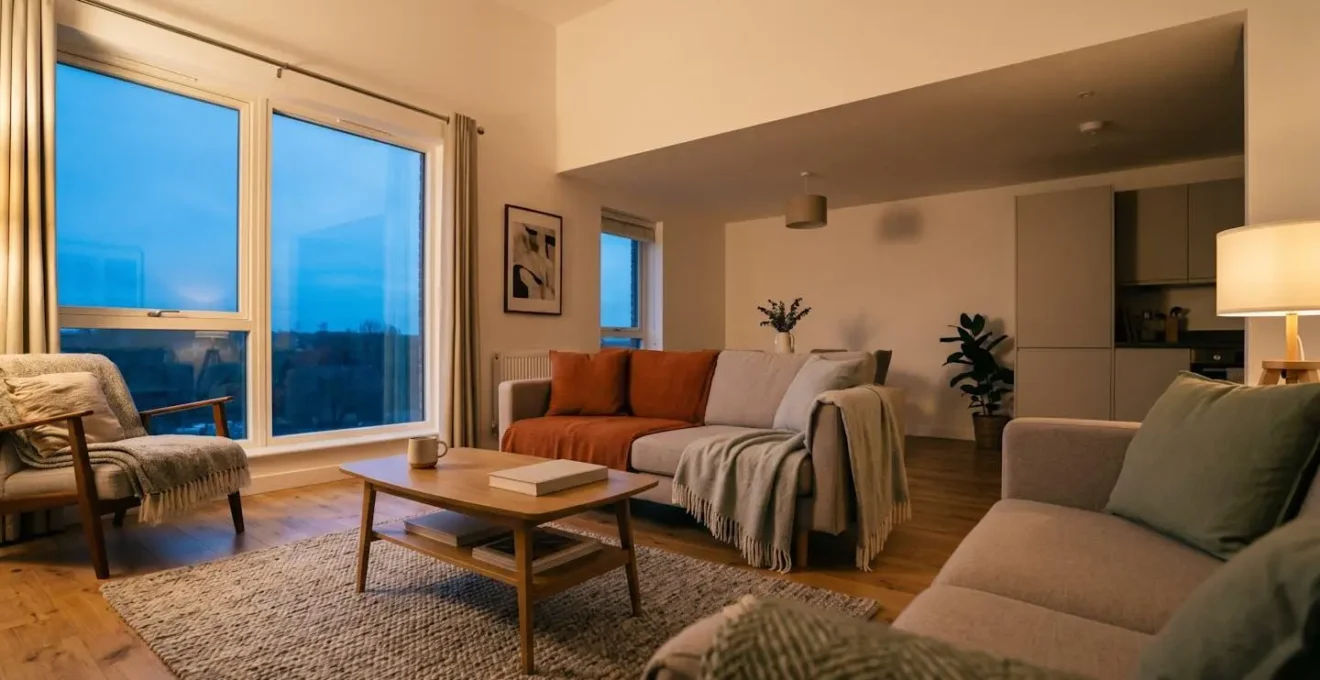
However, a photographer can only capture what is there. Your responsibility is to prepare the canvas. A property must be meticulously prepared *before* the photographer arrives to ensure you get the maximum value from their time. This preparation is a critical, yet often overlooked, part of the process.
Your Pre-Photography Preparation Checklist
- Replace all blown bulbs with matching colour temperature LED bulbs (warm white is best).
- Clean all windows inside and out to maximise natural light.
- Hide all bins, toiletries, personal photos, and cleaning products.
- Mow the lawn, trim hedges, and sweep paths the day before the shoot.
- De-clutter all kitchen and bathroom surfaces, leaving only minimal stylish items (like your staging kit).
Why a £5,000 Kitchen Refresh Beats a £15,000 Extension for Rental Returns?
For a buy-to-let landlord, not all investment is created equal. The goal is not necessarily to maximise the property’s sale value, but to maximise its monthly rental yield and cash flow. This is a crucial distinction that often gets lost. A £15,000 extension might add £25,000 to the property’s capital value, but it may only increase the monthly rent by a modest £75. A £5,000 cosmetic kitchen refresh, on the other hand, could add £150 to the monthly rent, offering a dramatically faster and higher return on your investment from a rental income perspective.
Tenants don’t pay rent based on square footage alone; they pay based on the perceived quality and desirability of the living space. The kitchen and bathroom are the two most emotionally impactful rooms. A dated, tired kitchen can kill the appeal of an otherwise perfect property. A modern, clean, and stylish kitchen creates a powerful ‘wow’ factor that justifies a higher rent. This « visual ROI » is where your investment should be focused.
A smart £5,000 refresh isn’t about ripping everything out. It’s about high-impact, low-cost upgrades: replacing dated cabinet doors (or vinyl wrapping them), installing a new modern worktop, adding a stylish splashback, and updating the tap and appliances. These changes transform the look and feel of the room for a fraction of the cost of structural work, directly boosting its rental appeal and your yield. In a market like the North West, where analysis of UK regional rental markets shows that the North West achieves an average rental yield of 6.9%, every percentage point counts, and cosmetic upgrades are the fastest way to enhance it.
This comparative analysis, drawn from lettings agency ROI strategies, clearly illustrates the difference between investing for capital growth versus investing for rental yield.
| Investment Type | £5,000 Kitchen Refresh | £15,000 Extension |
|---|---|---|
| Primary Goal | Rental Yield (monthly income) | Capital Growth (property value) |
| Monthly Rent Increase | £100-£150 (cosmetic premium) | £50-£75 (space premium amortized) |
| Annual ROI on Rent | 24-36% (£1,200-£1,800/year) | 4-6% (£600-£900/year) |
| Payback Period | 3-4 years from rental income | 16-25 years from rental income |
| Tenant Appeal | Immediate visual impact, perceived quality | Gradual appreciation, functional benefit |
| Best For | Buy-to-let landlords seeking cash flow | Long-term hold investors seeking equity |
Key Takeaways
- Perceived value is the primary driver of premium rent; tenants pay for the promise of a reliable, hassle-free tenancy.
- Treating your property letting as a marketing campaign—with strategic staging, professional visuals, and compelling copy—is essential.
- Small, targeted cosmetic investments, particularly in kitchens and bathrooms, offer a significantly higher rental ROI than large, structural changes.
How to Keep Vacancy Below 5% Even in Competitive UK Rental Markets?
Attracting a great tenant at a premium rent is a victory. Keeping them for the long term is a strategy. The ultimate way to maximise your annual return is to minimise vacancy. Every week a property sits empty is a week of lost income and potential council tax liability. The art of presentation is not just a tool for acquisition; it’s a powerful tool for tenant retention. When a tenant moves into a professionally presented, immaculately clean property, it sets a high standard from day one. It communicates that this is a quality home, managed by a professional landlord.
This initial impression has a lasting psychological effect. Tenants in well-maintained properties feel valued and are more likely to treat the property with respect. Crucially, they are less likely to move for the sake of a minor rent saving elsewhere because they value the quality and reliability of their current home and landlord. This dramatically reduces costly tenant turnover. As UK lettings data analysis shows, even a single week’s reduction in a void period can easily pay for the entire cost of professional photography, with the benefits compounding over multiple tenancies.
To maintain this standard, you need a system. The « Annual Presentation Audit » is a proactive approach to property management. It involves conducting a yearly health check on your property’s cosmetic condition, ensuring it remains at the premium standard you first established. This isn’t about intruding on the tenant’s life; it’s about planning for the future and scheduling a concentrated ‘refresh day’ between tenancies to address any wear and tear before it becomes a negative for viewings.
Your Action Plan: Auditing Your Property’s ‘Premium Feel’
- Points of contact: List all channels where the property’s image is projected (e.g., Rightmove, OpenRent, your own website, photographer’s portfolio).
- Collect: Inventory all existing presentation assets (photos, virtual tour, floor plan, listing description) for the property.
- Coherence: Compare your assets against your desired ‘premium but reliable’ brand positioning. Do your dark phone snaps contradict this?
- Memorability/emotion: Identify the ‘hero shot’ or key benefit that makes your property unique. Is it the light, the view, the home office space? Ensure it’s the star of your listing.
- Plan for integration: Create a prioritised list of actions: ‘retake photos’, ‘rewrite description using Tenant-Day Narrative’, ‘buy staging kit’.
By systemising your approach to presentation, you move from a reactive landlord to a proactive asset manager. You create a virtuous cycle where a well-presented property attracts good tenants, who stay longer, which in turn minimises voids and maximises your annual income.
Stop treating your property like a building and start managing it like a premium brand. Implementing these presentation strategies is the most direct and cost-effective path to unlocking its true rental potential and consistently commanding the rent it deserves.